English
The Rich History of Elephantine Island
The history of Elephantine Island dates back to ancient Egypt, where it was a strategically important frontier town and a busy trading port thanks to its location at the First Cataract of the Nile. In ancient times, it was an important military and commercial centre which dominated access to Nubia and an active cult center for the gods Khnum, Satet, and Anuket. Archaeological evidence proves that the island has been continuously occupied for several thousands of years and remnants can be seen from the Old Kingdom, Middle Kingdom and later Roman and Islamic periods. It's surrounding area boasts impressive sites such as the Aswan High Dam, indicating that the island's historical significance remains relevant today, as a fundamental aspect in the understanding of the development of Aswan as a gateway between Egypt and Africa.
Ancient Ruins and Archaeological Treasures
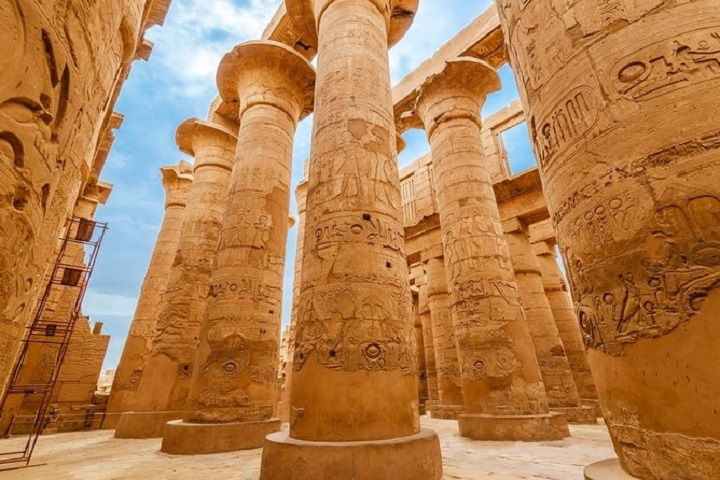
Elephantine Island holds an amazing array of ancient ruins that display the layers of its history over time. Ancient temples, structures of rock and the infamous Nilometer, the ancient Egyptian instrument to measure the water levels of the Nile River and consequently predict agricultural seasons, can be viewed on the island. These ruins allow visitors to get a unique glimpse at several thousands of years of continuous habitation in one spot and offer an ideal opportunity to see the ruins from several civilizations side-by-side, making it one of the most educating, if not visually, places to visit while exploring Aswan. As one of several major tourist attractions in Aswan, such as Philae Temple, it makes an easy and rewarding trip to take when vacationing in Southern Egypt.
Nubian Culture and Local Island Life
Aside from the extensive ruins it holds, Elephantine Island also embodies the modern Nubian way of life, providing visitors with an authentic and unique experience. A typical nubian dwelling and its surrounding is what makes each village of island what it is, and the vibrant painting and distinctive style are just what give it character. Walking across the island and the little Nubian villages, one is bound to be greeted with genuine friendliness, unique paintings adorning the houses, and local crafts sold throughout. As it also provides 'authentic nubian experience' and 'local life in Aswan', this cultural destination is a must-visit in any itinerary.
Visiting Experience and Travel Tips
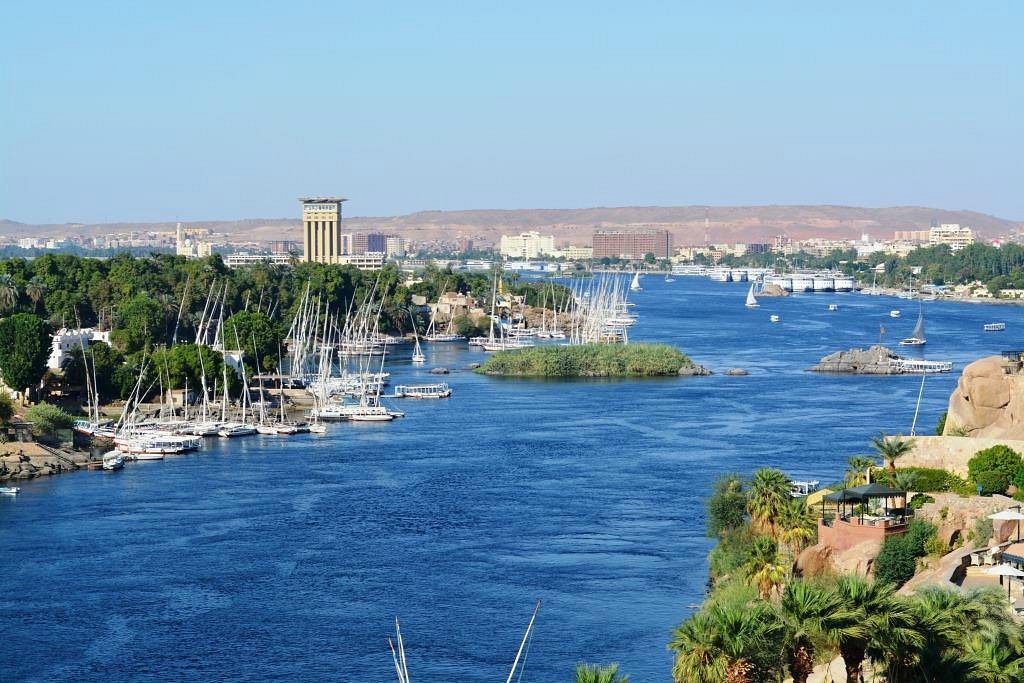
Visiting Elephantine Island is a relatively peaceful and relaxing experience. From the banks of Aswan, visitors may hop on board a small boat or a felucca across the river, enjoying views of the river and the contrasting lands as they glide across. A walk across the island gives a visitor an opportunity to tour the ruins, Nubian villages, and the peaceful riverside where they can admire the landscape in serenity, far from the bustles of the city. An early morning or a late afternoon visit is best, considering the temperature is milder and the light is at its finest. Comfortable walking shoes, sun protection and ideally a guided tour are advisable.
Why Elephantine Island is a Must-Visit in Aswan Tourism
Elephantine Island is the most varied and meaningful attraction that can be found in Aswan; containing thousands of years of history, modern structures and Nubian culture combined in the most unique manner possible.Its continuously documented habitation makes it one of the rarest sites to witness thousands of years of Egyptian history in one spot. A blend of history, culture and the serene natural surroundings, this island certainly is one place that no visitor to southern Egypt can afford to miss. Whether you are a history buff, an avid cultural traveler, or you are simply looking for a laid-back trip on the Nile River, Elephantine Island will provide you with a journey unlike any other in Egypt, embodying perfectly the true spirit of Aswan tourism.