English
The Birth of the New Kingdom and the Empire of Egypt
The New Kingdom, which started when Egyptian rulers pushed the Hyksos (foreign rulers that had governed parts of northern Egypt during the Second Intermediate Period), is seen as a revival for the united and militarized Egyptian civilization. During this time the kings (like Ahmose I) expanded the country far beyond its ancient borders in to Nubia, Syria and the Levant. Military conquests led to colossal amounts of gold, luxury goods, exotic animals and new trade connections being brought into Egypt. The country evolved into:
- A paramount military power in the Near East
- A key place for international politics and trade
- One of the richest countries in the ancient world
- The country was able to spend huge amounts on building temples
Thebes became the spiritual and political heart of Egypt and is now home to one of the world's greatest outdoor museums, Luxor. This period has so much to offer for travelers interested in 'New Kingdom Egypt history', 'ancient Egyptian empire' and 'Luxor historical tours', it's hard to decide what to look at first.
Luxor and Karnak, Two of the Most Magnificent Temple Complexes in Egypt
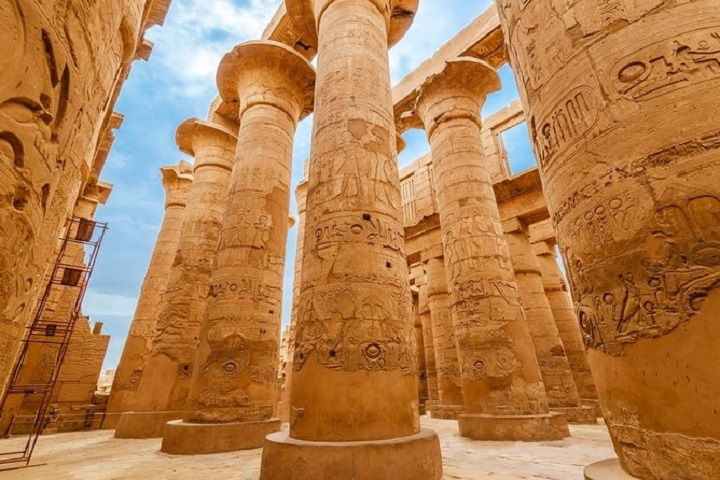
Huge temples were built for gods and pharaohs by rulers during the New Kingdom. The greatest known of these temples is the legendary Karnak Temple Complex, which is the largest religious structure ever built. The rulers built on Karnak over centuries; the huge complex contains towering columns, obelisks, sacred pools and much more that will bring you face to face with religious beliefs in ancient Egypt. Nearby, at night, are the spectacular illuminated ruins of Luxor Temple, which was once linked to Karnak via the Avenue of Sphinxes. Visitors can look around vast temples and rooms, walking under colossal decorated columns. This period of Egyptian history has so much for tourists interested in 'best temples in Egypt', 'Karnak Temple tour' and 'things to do in Luxor'.
The Valley of the Kings, Tombs for a Dynasty
After many of their predecessors had suffered robberies of their pyramid tombs, pharaohs during the New Kingdom began burying their dead in secret rock-cut tombs and today, this is the Valley of the Kings. Within the valley is one of the most important archaeological sites in the world, where thousands of years ago many of the countries' most powerful rulers were buried in colorful, decorated tombs complete with their religious writings and pictures of the afterlife. The discovery of the pharaoh Tutankhamun's tomb in 1922 gave the world a priceless example of the treasure buried with rulers and of course the iconic gold funerary mask is now known across the world. When visiting the Valley of the Kings you can explore and take in one of the world's greatest archaeological discoveries. Visitors here often search for 'Valley of the Kings Egypt', 'Tutankhamun tomb tour', 'ancient Egyptian royal tombs' and 'best archaeological sites in Luxor'.
Famous Pharaohs, Queens and Religious Change
The New Kingdom was an era which saw some of the greatest and most memorable pharaohs in world history.
Hatshepsut: One of few females to become a ruler and the only woman to be known as 'Pharaoh', her reign marked an age of prosperity and extensive trade routes, her mortuary temple at Deir el-Bahri is an awesome sight that should be seen in the valley of the Kings.
Akhenaten and religious change: Akhenaten changed Egyptian religion as he introduced the worship of Aten (the sun disk) rather than the traditional gods. His radical reforms in art and religion were later revoked.
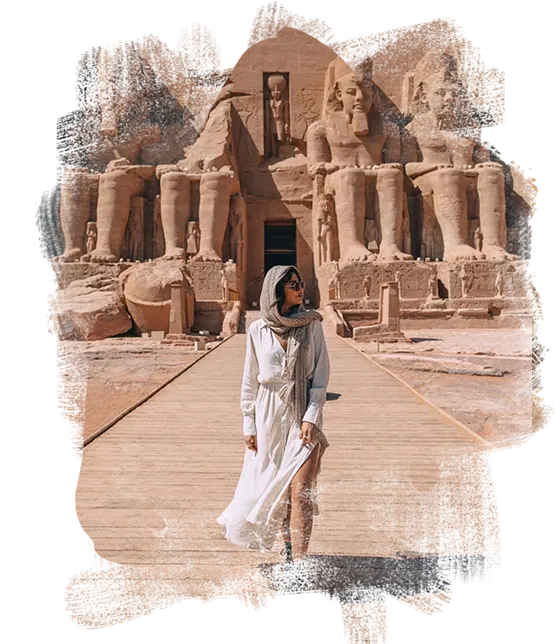
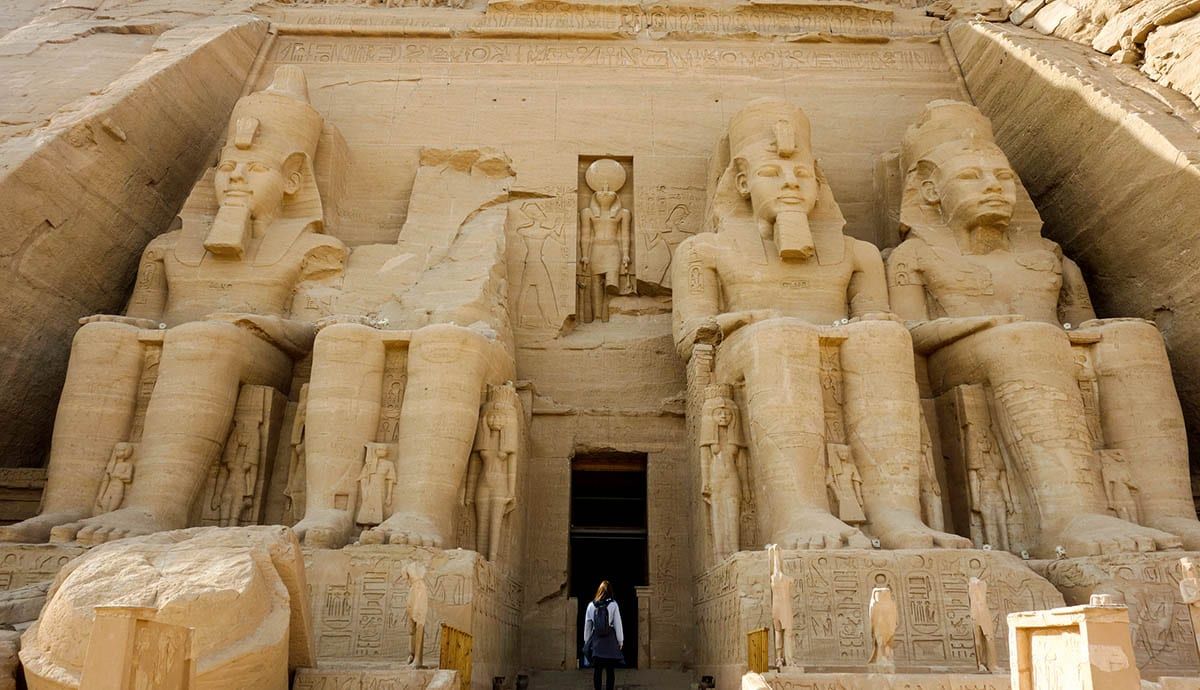
Ramesses II, the great builder: Arguably the most famous pharaoh in history; his reign saw the building of monumental temples that span much of the Egyptian landscape. Abu Simbel temple complex is an incredible feat of construction.
Pharaohs and queens like these often dominate the searches for 'most famous pharaohs', 'Hatshepsut temple', 'Ramesses II monuments' and 'Akhenaten religious revolution'.
The Architectural Magnificence of the New Kingdom
Without a doubt one of the defining features of the New Kingdom was the surge in the building of monumental architecture throughout the country. The Pharaohs of the New Kingdom erected and completed temples, statues, obelisks and tombs to display their power and honor the gods.
Different from the builders of the pyramid ages earlier on, the New Kingdom rulers spent their energies in erecting enormous religious structures which stand testament to the prosperity and imperial authority of Egypt. These were not merely religious sites but centers of governance, learning, and commerce.
Perhaps the most well-known example is the majestic Karnak Temple Complex which has been expanded upon for many centuries and stands today as the greatest temple complex in all of ancient Egypt. With towering columns, a sacred lake and colossal statues it is easy to be overwhelmed by its sheer size and magnificence.
The Abu Simbel Temples at Abu Simbel which was built by Ramesses II are a further feat of engineering marvel, carved into rock, intended to be symbols of royal power and a show of strength to Egyptian rivals to the south.
If a tourist would like to learn more about:
- Ancient Egyptian architecture
- Temple tours of Luxor and Aswan
- Photographic sites in Egypt
- UNESCO World Heritage Sites
Then this is a period in Egyptian history where a tourist will witness all these phenomena.
Why travelers are obsessed with the New Kingdom now
The New Kingdom is currently one of the most popular topics for people travelling to Egypt as it includes all aspects that travelers envision when they dream about the country's ancient history:
- Majestic pharaohs
- Mysterious tombs
- Gilded treasures
- Enormous temples
- The vast Egyptian desert
- The stories of Egyptian gods and mythology
With such an attraction it’s no surprise that a trip to Egypt which involves going to Luxor, the Valley of the Kings, the Abu Simbel temples… should rank as the number one trip to Egypt and is something that no one wants to miss out on.
If you're planning a trip to Egypt, a Nile cruise or even a trip which you would like to make a historical expedition the New Kingdom offers it all; the glory, mystique and sheer wonder of perhaps the most incredible civilization that has ever been seen.
Final Thoughts
The New Kingdom was indeed Egypt's zenith of power, artistic ability and international importance. Through the era of conquest, magnificent construction of temples and tombs, and reign of a legendary dynasty of rulers, it remains an age known thousands of years later. For travelers hoping to catch a glimpse of 'Egypt historical tours', 'ancient pharaohs' and 'Luxor travel experiences', the New Kingdom is where your dreams of Egypt's past are made a reality.