English
Ancient Egypt and the Fascination of Early Travelers
For thousands of years following the decline of pharaonic power in Egypt, its ancient sites continued to captivate visitors-whether they were traders, travelers or scholars-from throughout the Mediterranean world.
Greek historians such as Herodotus journeyed throughout Egypt and recorded stories regarding the pyramids, temples and customs of the Egyptians. While these accounts often blended history with legend, his narrative ensured that Egypt continued to capture interest. During the Middle Ages and later early modern period, visitors flocked to Egypt in search of:
- Lost treasures
- Buried tombs
- Spiritual knowledge
- Mysterious structures
Due to the fact that knowledge of hieroglyphics had been lost to people for centuries, it was not possible for these travelers to read much ancient Egyptian writing. The Giza pyramids Complex, the giant temples at Luxor and various large statues which were scattered across the length of the Nile Valley were subjects of wonder long before archaeology was to be developed as a science. This has continued into today, where people visit:
"best archaeological sites in Egypt"
"ancient Egypt travel guide"
"Egypt pyramid tours"
"historical places to visit in Egypt"
Modern Egyptology is born during Napoleon's Expedition
Modern Egyptology dates back to 1798, when Napoleon Bonaparte undertook his famous invasion of Egypt. His army included specialists who studied the sites and wrote about Egyptology. The vast amount of information that they collected, about the statues, temples, and various other ruins found across the length of the Nile Valley was published in "Description de l'gypte" and opened Europe up to the grandeur and complexity of ancient Egypt. The French troops were also to discover the Rosetta Stone; this black stone inscribed in hieroglyphics, demotic Egyptian script and Ancient Greek would be the first major step towards understanding pharaonic language. Travelers today hold this stone in high regard, as it is thanks to the discovery of it that they are once again able to read the texts carved on ancient monuments.
Jean-Franois Champollion and the Breakthrough with Hieroglyphics
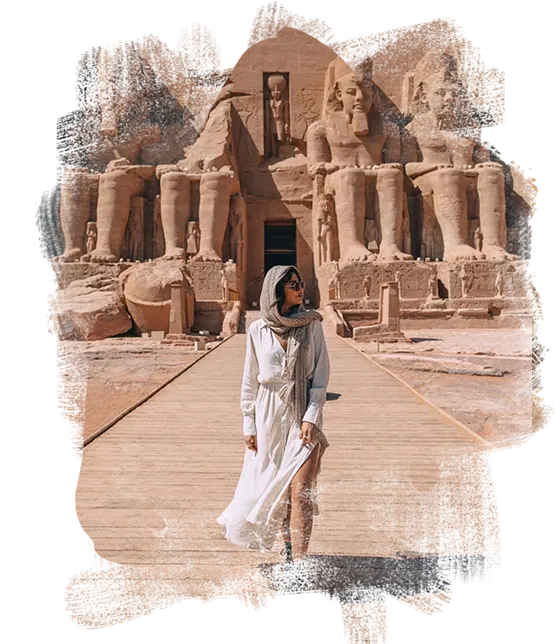
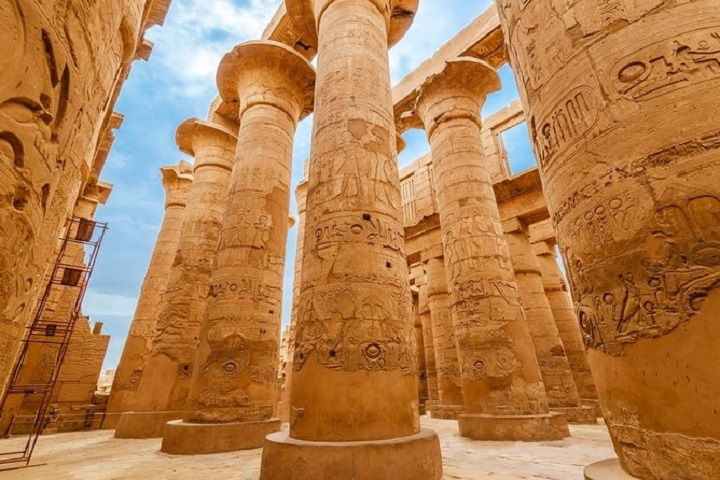
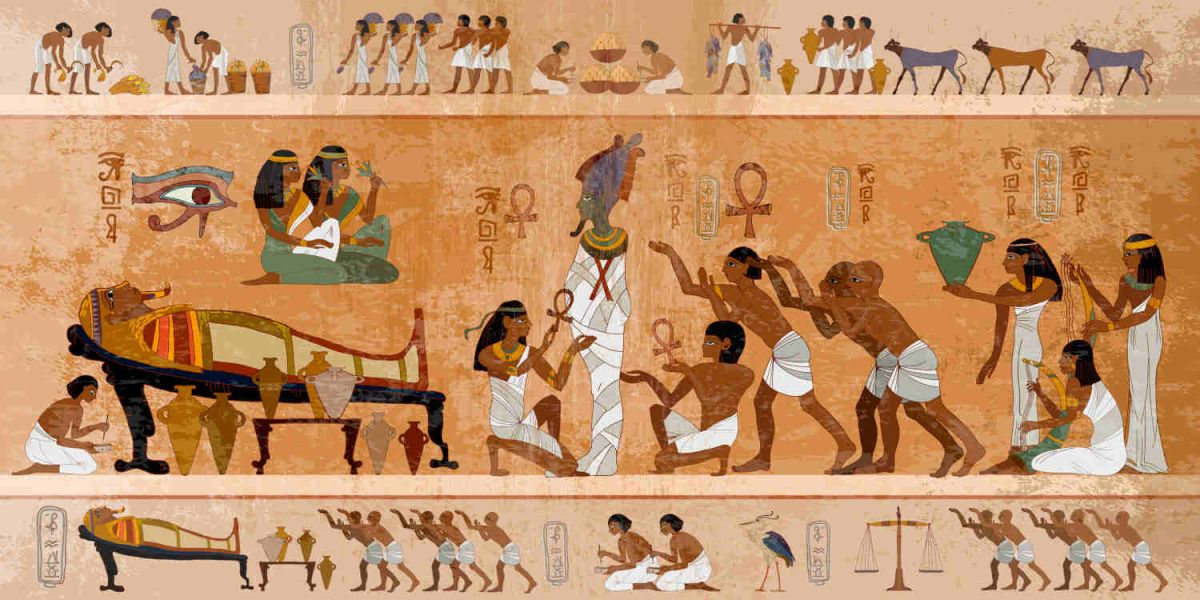
A monumental turning point in the story of archaeology came in 1822, when Jean-Franois Champollion succeeded in translating ancient Egyptian hieroglyphics based on his studies of the Rosetta Stone. Until this breakthrough, virtually no one was able to translate the written messages on the statues and tombs scattered across the country, and the civilization of ancient Egypt remained largely a mystery. Champollion realized through comparing the Greek writing with the hieroglyphics and demonstrated that some of the hieroglyphics symbolized a sound, and some symbolized an idea. This opened the way to being able to read the royal cartouches and names, religious texts, tomb inscriptions, historic records and literature of ancient Egypt. Ancient monuments such as Karnak Temple Complex, Luxor Temple and the Abu Simbel Temples all have inscriptions covering their walls and statues, the meaning of which can now be fully understood thanks to the discovery of Champollion.
A Golden Age for Egyptology thanks to Major Discoveries
The nineteenth and early twentieth century was to prove a Golden Age for archaeological discoveries within Egypt; tombs, cities and statues lost for thousands of years were now being uncovered to the wonder of the world. The discovery in 1922 by Howard Carter of the nearly intact tomb of Tutankhamun in the Valley of the Kings, and the exquisite artifacts buried with the pharaoh, such as his golden death mask, would capture worldwide imagination and make Egyptian archaeology a popular topic. Other discoveries during this period were to include lost mummies hidden within royal tombs, vast cities buried in the sands of time and painted reliefs still bright with color. Thousands of these objects are now displayed in the Egyptian Museum and the Grand Egyptian Museum and will undoubtedly continue to thrill visitors seeking archaeological tours in Egypt.
Modern Egyptology and Egypt's New Discoveries Today
Today, Egyptology continues to make fascinating discoveries utilizing the very latest technology such as satellite scanning, ground-penetrating radar and even DNA analysis of ancient remains. It is now possible to discover tombs beneath the desert without having to dig and previously unseen structures can be identified with great precision. The latest news is constantly reporting fresh discoveries being unearthed in Egypt – new tombs in the Saqqara Necropolis as well as various statues and coffins unearthed during digs. Modern Egyptology and its latest discoveries continue to keep the public in general and travelers specifically, intrigued, and are essential elements in the visitor experience for anyone taking Egypt cultural tours or archaeological expeditions.
Egyptology and the enigma of the Pyramids
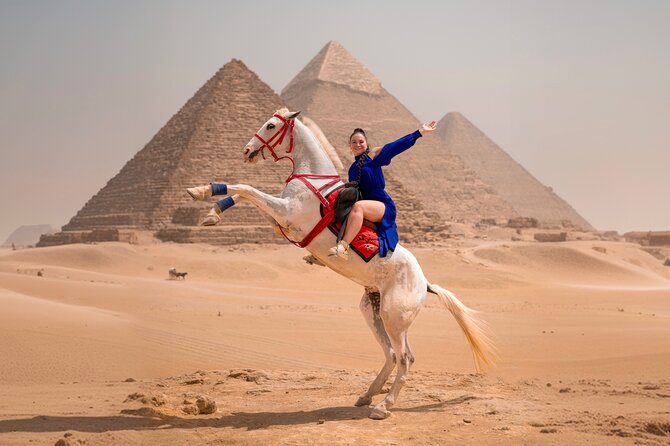
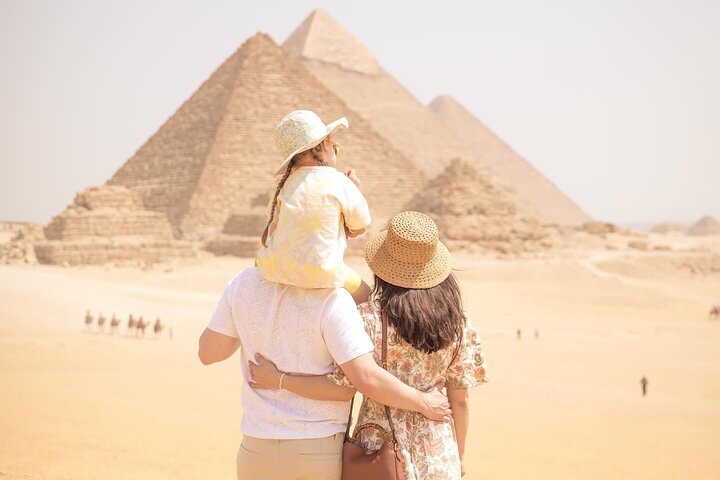
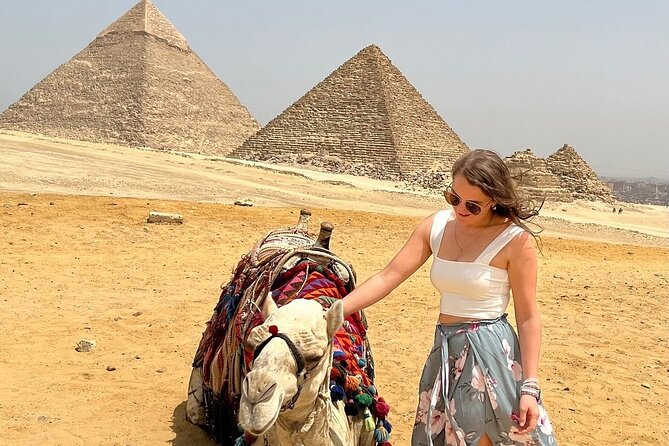
The pyramids are still one of the core ofEgyptologyresearch and interest. Scientists continue to work out exactly how thousands of years ago the ancient Egyptians built these monolithic structures with such meticulous accuracy.
Working at the most famous site, the Giza Pyramid Complex scientists are examining:
- Methods of construction
- Worker settlements
- Unknown rooms within the pyramids
- Alignment with the stars
- Transportation of large stone blocks
Modern technologies, like 3-D scanning and cosmic ray imaging, have even been able to discover previously unrecorded chambers within the Great Pyramid itself.
If a tourist is looking for
- How were pyramids built?
- The mysteries of the Great Pyramid
- Inside the pyramids of Egypt
- Egypt archaeology discoveries
then the field of Egyptology is giving exciting new answers and producing new questions all the time.
So, why does the story of Egyptology continue to fascinate the world
At heart, Egyptology is a story about discovery and rediscovery. For millennia the civilization of the pharaohs lay buried in the desert, only to be brought back to life by the efforts of travelers, archaeologists, linguists and historians.
From the uncovering of pharaohs' tombs to the deciphering of texts, every discovery expands our understanding of how the ancient Egyptians lived, what they believed and what they achieved.
Today the visitors traveling throughout the Egyptian landscape-over the tombs, into the temples, inside the museums-see the end result of over 200 years of research and discovery.
This on going feeling of wonder, however, is also why Egyptology is considered one of the most captivating studies.
Final Thoughts on the Endless Fascination of Egyptology
The story of Egyptology is the story of rediscovery-the story of forgotten voices brought back to life through the efforts of countless linguists, explorers, archeologists and historians. It allows travelers of today to stand among monumental structures that were lost to human memory for millennia; it allows visitors to read the names of pharaohs etched in stone thousands of years ago, and to witness the splendor and intricate decoration hidden within the tombs of this extraordinary civilization. From the decipherment of the Rosetta Stone, to the treasures discovered in Tutankhamun's tomb, the field of Egyptology has revolutionized mankind's knowledge of ancient Egypt; consequently exploring Egypt by way of Egypt cultural tours, archaeological investigations, or plain history trips is particularly moving and thrilling.