English
Abu Simbel: History and Architecture
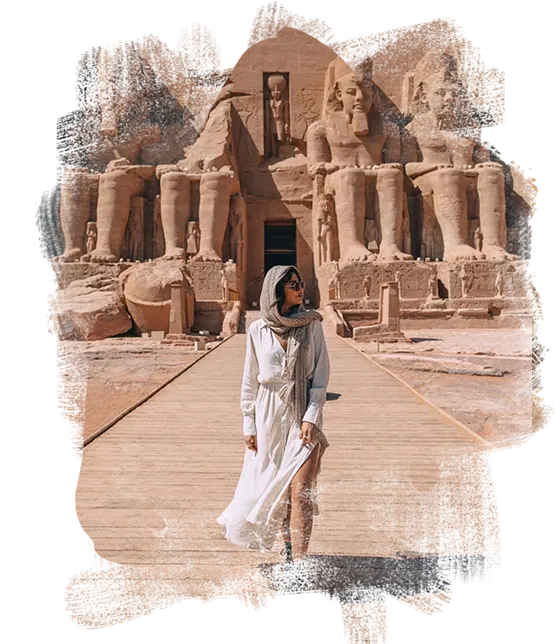
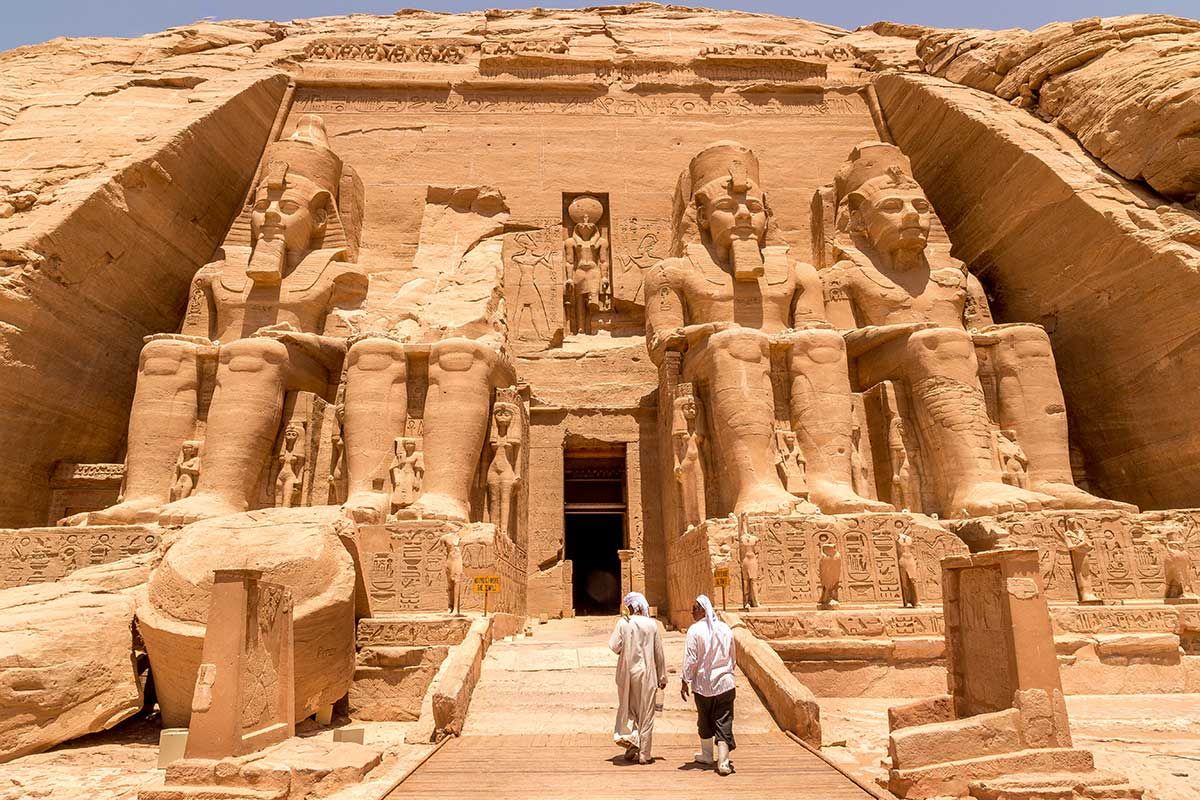
Built during the 13th century BC by the pharaoh Ramses II, the two rock-cut temples that make up Abu Simbel are amongst the most colossal of their kind. The larger of the two is the Great Temple dedicated to Ramses II and the gods Amun, Ra-Horakhty, and Ptah. The smaller of the two is dedicated to Queen Nefertari and the goddess Hathor. The facade of the Great Temple is famous for the four colossi of Ramses II, towering over 20 meters, which represent his power as a divine ruler.
The Marvel of the Relocation Project
The fact that you can visit the Abu Simbel temples today is a marvel of the 20th-century; in the 1960s, they were threatened with flooding by the High Dam in Aswan. Under a UNESCO-supported mission of international engineers, the entire temple complex was disassembled into large blocks, then reassembled on a higher plateau where they remain today.
The Phenomenal Sun Festival at Abu Simbel
The temples of Abu Simbel also boast a unique Sun Festival twice a year, on the 22nd of February and the 22nd of October. On these dates, the sun shines directly into the sanctuary of the temple and brilliantly illuminates the seated statues of Ramses II and the gods inside. This precise alignment of the sun on this particular date serves as clear evidence of the ingenuity and expertise of the ancient Egyptian engineers.
Abu Simbel: A Must-See Destination in Egypt
Abu Simbel is a once in a lifetime travel destination and it is for a good reason one of the most popular and visited sites in Egypt. It is the most spectacular destination that tourists wishing to visit Egypt can hope to find. Whether you reach Abu Simbel by road or by plane from Aswan, it is a rewarding journey which, if the occasion should ever arise, no one should ever miss.