English
The Story Behind the Ancient Egyptian Royal Tombs
In ancient Egypt, the Valley of the Kings was a carefully chosen burial site that provided protection from tomb robbers and destruction. Instead of being buried in grand pyramids like their predecessors from earlier dynasties, pharaohs of the New Kingdom were interned deep in the rocky cliffs of Thebes. So far, more than sixty tombs have been uncovered in this area of the Nile Valley including those of famous pharaohs such as Tutankhamun, Ramses II and Seti I.
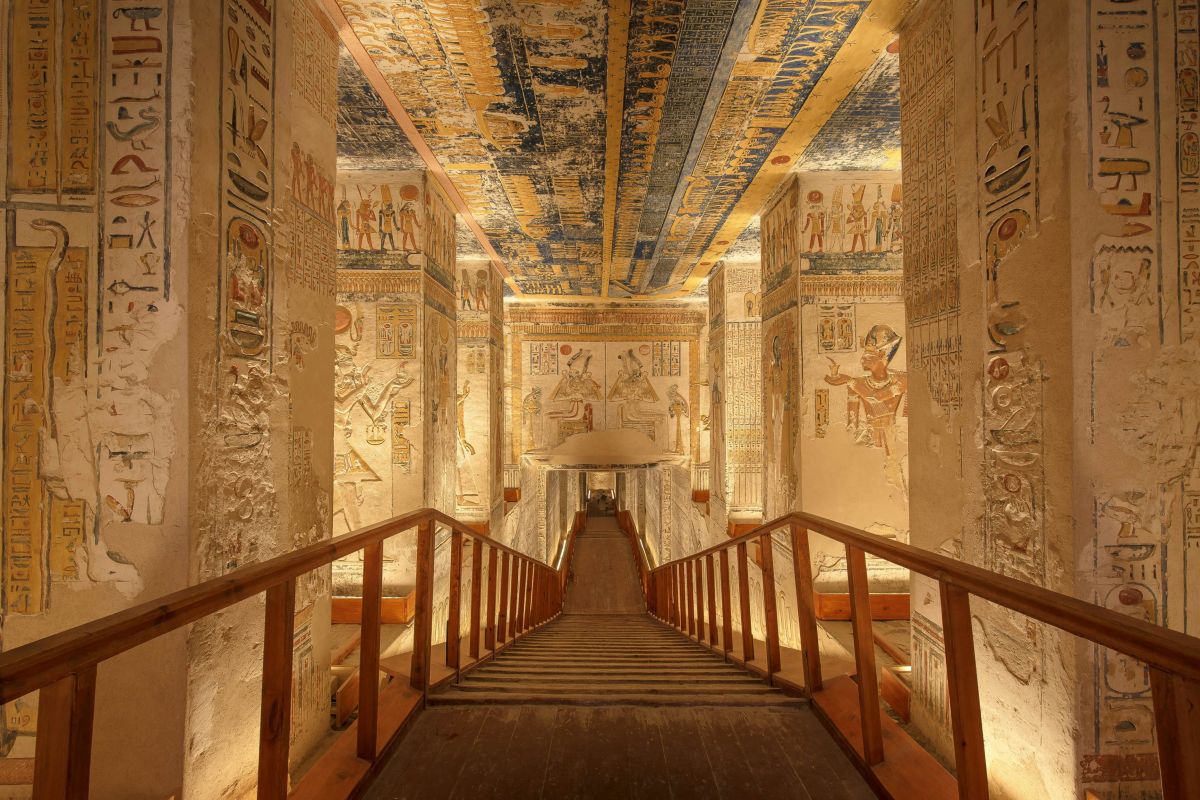
Each tomb has its own unique story to tell in the form of intricate carvings, religious inscriptions and colorful wall paintings that chronicle the path into the afterlife, providing sacred gateways designed to guide the pharaohs into eternity. For those who are passionate about history, this necropolis provides a direct insight into the ancient world of deities, ritual and royal power.
What You Can See Within the Valley of the Kings
Visiting the Valley of the Kings allows visitors an unparalleled insight into some of Egypt’s best-preserved tombs. The site is divided into various excavation sections each of which showcases a particular aspect of the craftsmanship and artistic excellence displayed within these magnificent structures.Visitors can explore select tombs within the Valley of the Kings which are open to the public, each of which will require a separate ticket for entry, and the cost will vary based on preservation.
The Tomb of Tutankhamun has to be a highlight, featuring the body of the young pharaoh still in place, whilst other notable tombs to be seen in the Valley of the Kings include Ramses IV and its unique painted ceiling, and the Tomb of Seti I which is considered to be the most artistically refined tomb of them all within the Valley of the Kings. Incredibly bright hieroglyphics and astronomical painted ceilings are the most commonly photographed aspects, an ideal place for lovers of tourism and photography.
Visiting the Valley of the Kings in Luxor
The planning of a trip to the Valley of the Kings is a vital part of making the experience as comfortable and enjoyable as possible. Located on the west bank of the Nile directly opposite central Luxor, visitors can travel by taxi, Nile cruise with West Bank included, or as part of a tour. Traveling as early in the morning as possible is advisable, allowing visitors to avoid the heat of the day and the largest crowds.
Visitors are encouraged to purchase their ticket at the Visitor center with special tickets being purchased to visit the tomb of Tutankhamun. We highly recommend visitors hiring a licensed Egyptologist guide as they will be invaluable in understanding and interpreting the historical and religious symbolism behind the tombs artwork. Walking shoes, sun protection and a great deal of water are essential when visiting the Valley of the Kings as the region has a desert climate.
Travel Tips and Attractions near Luxor
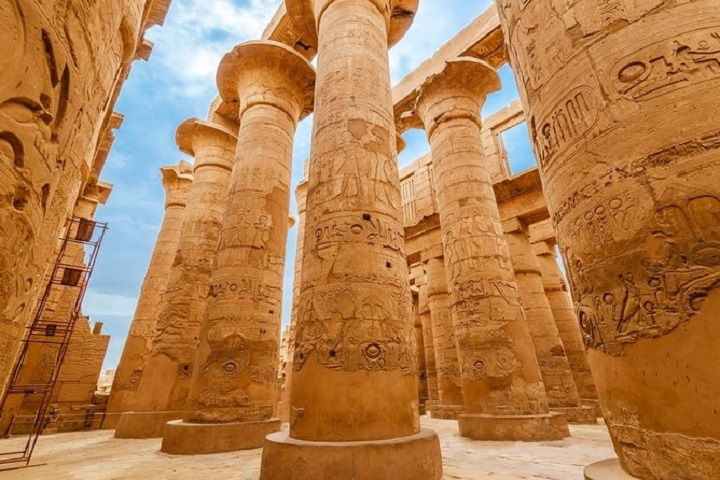
It is very easy to combine your trip to the Valley of the Kings with other incredible landmarks close to Thebes, giving you more for your money in what is one of the richest destinations of all for culture, Luxor, the Temple of Karnak located across the Nile, and the amazing Temple of Hatshepsut which is carved into the limestone cliffs nearby. Take a trip up in a hot air balloon in the morning before the trip to see the Valley from a whole new angle, providing unique photographs and an incredible view of the West Bank, or try some local cuisine and Nile side cafes in the city.