English
The history of Medinet Habu Temple
This temple is intricately linked to the powerful reign of one of Egypt’s New Kingdom rulers. Ramesses III, the last truly great pharaoh of this period built this immense temple as his mortuary temple to the god Amun, and also as a fortress during one of the most violent and chaotic periods in Egyptian history. During a time when Egypt was under threat from the Sea Peoples, the temple walls depict scenes of conflict between Egypt and this group of invaders with incredible and gory detail. As with so many Egyptian sites, it has expanded and been built on by various civilizations and it consists of numerous other buildings (chapels, administrative buildings, etc.). As Medinet Habu is near many of the other important sites on the West Bank of Luxor (Valley of the Kings) it has been described as forming part of a sacred landscape which dominates the area.
Architectural Grandeur and Artistic Details
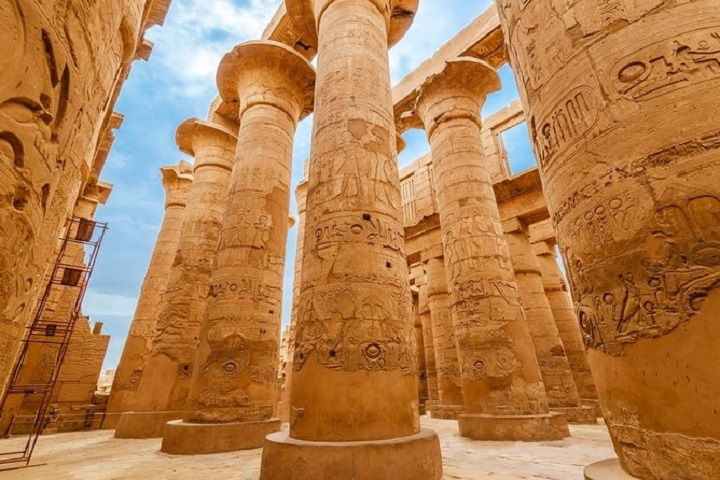
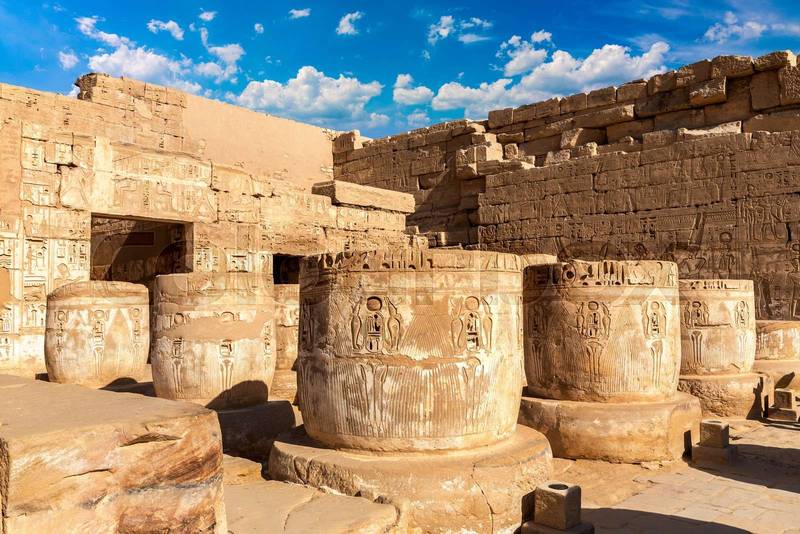
This temple, unlike other of Luxor's monuments, is entirely surrounded by massive mudbrick walls, similar to a fortress. Inside this enclosure you will find grand pylons, courtyards, halls and shrines where you can see some of the best reliefs remaining anywhere in Egypt. These reliefs describe many scenes of war (many are of Ramesses III's defeat of the Sea Peoples), ritual and religion. It is astonishing how vibrant the multi-colored inscriptions on this temple remain, giving visitors a real glimpse of what the ancient Egyptians saw hundreds of years ago. Its close proximity to the holy river and also to the nearby monuments (such as the Nile river) only serve to increase this spiritually important aspect.
Visiting experience and Travel Tips
Medinet Habu should definitely be one of your destinations when visiting the West Bank, especially if you want to see a monument that is not nearly as popular as the other major sites in Luxor but which is arguably the most historically important monument of its age. A visit to Medinet Habu in the morning when the sun rises is fantastic as it captures the reliefs at their best light. The majority of tourists who visit Luxor include a tour of the West Bank sites such as Medinet Habu, Hatshepsut temple, and the Colossi of Memnon in a single day. You should really consider taking a guide with you when visiting this particular site; although this is also true for many others. It is only with the aid of a professional guide that you can really comprehend the many stories told on this incredible temple.
Why is it a must see?
This monument in the West Bank is one of the most important and visually impressive of Luxor's archaeological sites and as such should be a major part of your trip to Egypt. With its relatively undisturbed state it has to be one of the best archaeological sites available anywhere and is unique as it not only has a great artistic appeal but is also highly important from the view point of military and religious history of this great empire. It is just one of a number of monuments which lie along this vast landscape, offering you a fantastic insight into pharaonic life.