English
The Story of Hatshepsut Temple
Deeply connected with one of the most powerful women in ancient Egypt, the New Kingdom queen Hatshepsut (who ruled in the 15th century BC), Hatshepsut's Temple is perhaps the most celebrated monument in Deir el-Bahari, on Luxor's west bank, which aims to represent her legacy. Commissioned by the queen and designed by her architect Senenmut, the mortuary temple served both Hatshepsut and Amun-Ra, and has become a cornerstone of Luxor's west bank necropolis alongside world famous archaeological sites such as the Valley of the Kings. Ancient attempts to have her memory expunged were unsuccessful as this structure, even in its present-day condition, is a grand testament to Hatshepsut's strength and reign, and one of the first places visitors keen on ancient Egypt, pharaohs, and UNESCO sites should seek out as it paints a picture of divinity and political will.
Grand Architectural Design
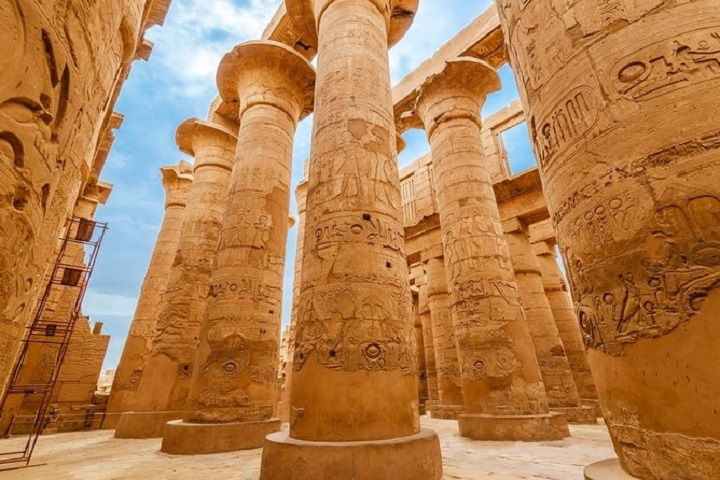
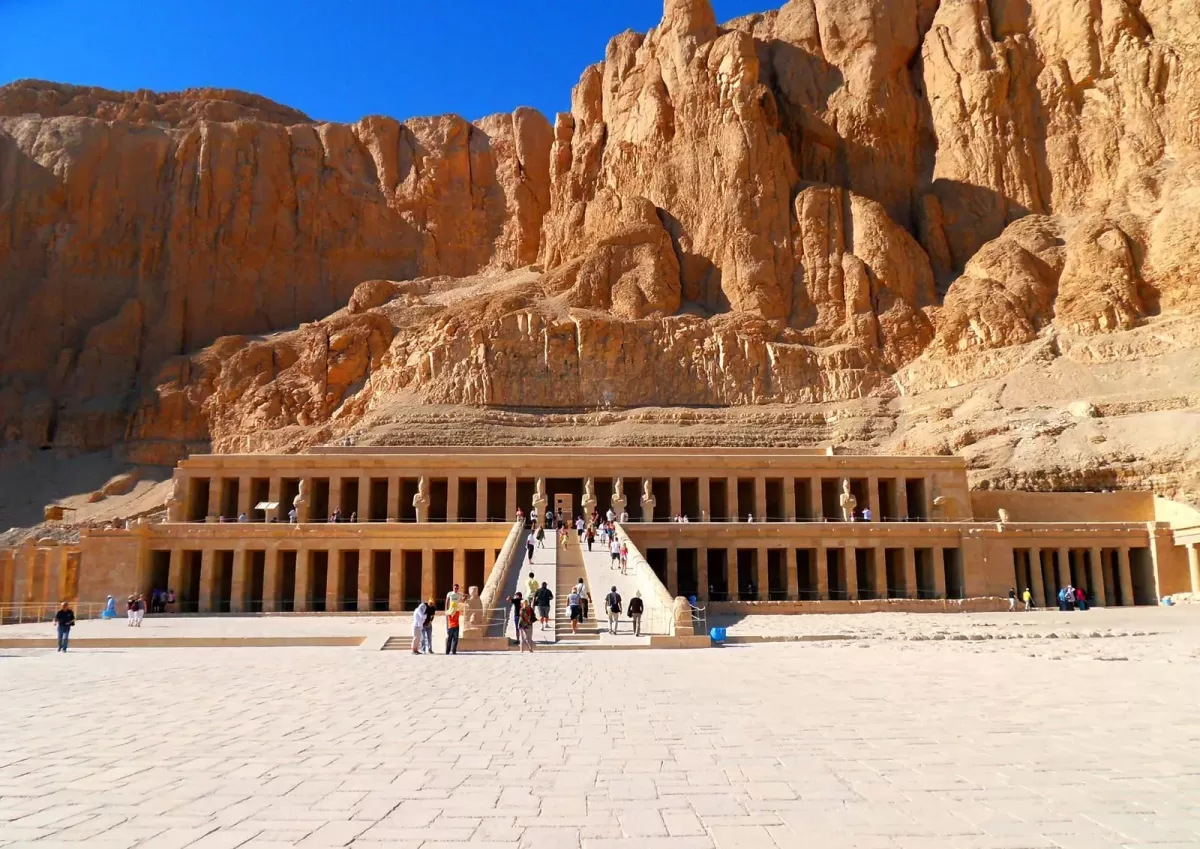
An example of one of the most elegant and symmetrically balanced of the ancient Egyptian constructions, the temple is nestled into the cliffs and made up of terraces, colonnaded halls, and inclined ramps which appear to grow organically out of the landscape and were designed, at the time, to achieve a truly new form of building architecture with natural elements such as trees and the surrounding mountains integrated into the design. Positioned to be illuminated at the time of the summer solstice by the morning sun, it aligns itself in a remarkable way to both the spiritual landscape of the Nile west bank and also the solar phenomena. The detailed reliefs on Hatshepsut Temple still brightly illustrate tales of Hatshepsut's divine birth, successful trading missions, and religious offerings. Travelers taking tours to Luxor will be amazed at the quality of the carved hieroglyphs on the brightly coloured walls and reliefs; the site is a fascinating illustration of Hatshepsut's reign, but also one of the best-preserved of the New Kingdom temples.
A Tour to the Temple of Hatshepsut: Tips for Travel
A tour to the Temple of Hatshepsut offers travelers an immersive experience in the world of Ancient Egypt, especially in connection with Luxor's west bank attractions. To best appreciate the beauty of this edifice, it is recommended that you visit in the early morning to beat the heat, or tour early in the afternoon once it has died down; this is also when the surrounding tombs and other sites on the west bank are generally less crowded. Many visitors arrange an all-inclusive trip that visits the Temple of Hatshepsut along with the Colossi of Memnon and the surrounding tombs as a part of a fuller historical experience on the west bank. Comfortable shoes are recommended as it is spread across quite a large area, as is sun cream and a good, knowledgeable guide who can highlight all of the remarkable historical and architectural points of interest that might otherwise be missed on a visit to the Temple of Hatshepsut, Egypt tours or day trips.
Why Hatshepsut's Temple is a MUST in Luxor
This incredible edifice is much more than just a collection of ruins-it represents one of the most influential periods in Egyptian history, and one of the major tourist destinations of Luxor. The position and the architectural design are both extremely powerful and this, combined with its history, ensure the Temple of Hatshepsut is high on the agenda for tourists traveling to the area. Being close to other major attractions on the west bank such as the Valley of the Kings makes it ideal for an archaeological journey through ancient Thebes. An architect or history enthusiast may be amazed by the complex design of the temple itself and anyone with an interest in ancient civilizations will surely take something memorable away from this incredible site in Egypt. This is a must for all Egypt tours, especially Luxor travel packages where a comprehensive historical experience is the top priority for visitors.